
One Fall Can Change It All
Aging in place should mean living comfortably, safely, and independently in the home you love. But have you considered how one unexpected fall could change everything?
If you’re an adult child of aging parents, you may have started noticing changes in Mom or Dad’s mobility, balance, or ability to move around the house safely. Perhaps climbing the stairs has become more difficult, stepping into the bathtub is a challenge, or getting up during the night has become a concern.
Maybe your parents haven’t experienced a fall yet. That’s good news—and it’s the perfect time to take action.
Whether you’re helping a loved one plan for the future or evaluating your own aging-in-place options, one of the most important steps you can take is to identify potential fall hazards and make the necessary changes before an accident happens.
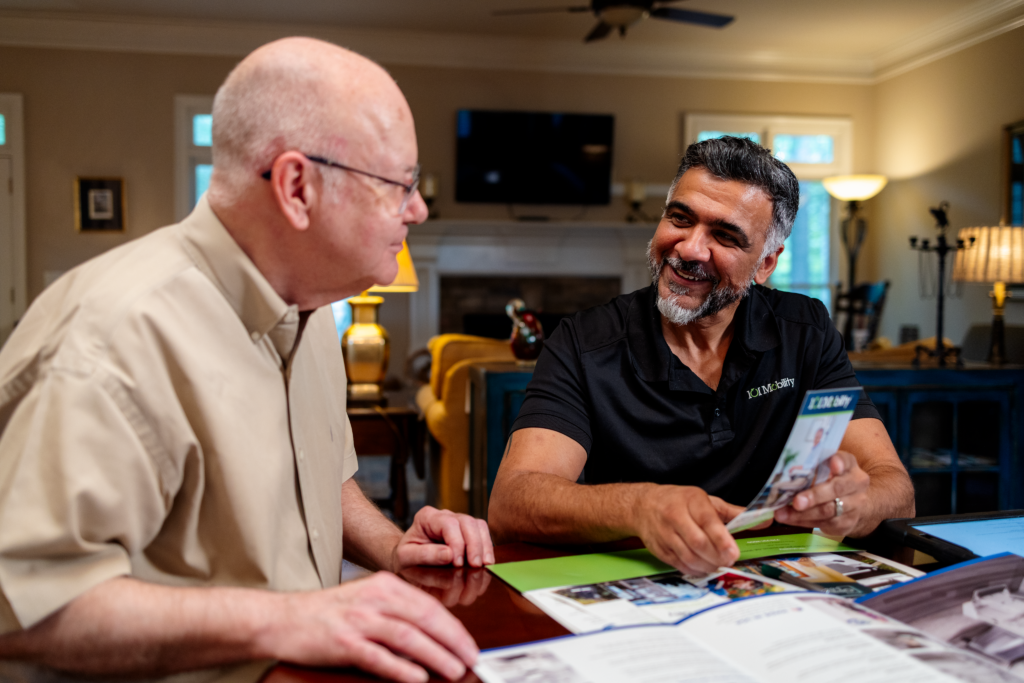
At 101 Mobility of Greater Philadelphia, we believe that accessibility is about more than installing equipment. It’s about creating a safer home environment that helps people maintain their independence, confidence, dignity, and quality of life. That is why we offer a no cost “Home Safety Assessment” with every Accessibility Consultation.
Let’s take a closer look at the risks, the warning signs, and the practical ways you can make a difference.
The Reality of Falls Among Older Adults
Falls are not simply an unfortunate part of getting older. They are a significant health and safety concern, but many falls can be prevented.
According to the Centers for Disease Control and Prevention (CDC):
- More than one in four adults age 65 and older falls each year.
- Falling once doubles the chances of falling again.
- Fewer than half of older adults who fall tell their healthcare provider.
- Approximately 4.5 million emergency department visits occurred because of older adult falls in 2024.
- Falls are a leading cause of serious injuries, including hip fractures and traumatic brain injuries.
The consequences can extend well beyond the initial injury.
A serious fall may result in hospitalization, surgery, rehabilitation, extended recovery, or even the need for long-term care. For some older adults, returning to their previous level of independence becomes difficult.
But there is another consequence that deserves attention: the loss of confidence.
Even when a fall doesn’t result in a serious physical injury, the fear of falling again can cause someone to limit activities, avoid certain rooms, stop using the stairs, or become increasingly dependent on family members.
That loss of confidence can affect quality of life just as significantly as the physical injury.
The good news? Proactive fall prevention can help reduce these risks and preserve independence.
Common Reasons Older Adults Fall
Falls rarely happen for just one reason. Often, a combination of physical changes, medication side effects, and environmental hazards creates the conditions for an accident.
Here are some of the most common contributing factors:
Physical and Health-Related Factors
- Reduced muscle strength and poor balance.
- Changes in vision or hearing.
- Chronic health conditions that affect mobility.
- Low blood pressure when standing up.
- Medication side effects, including dizziness or drowsiness.
- Difficulty walking or transferring from a seated position.
- Fatigue and reduced coordination.
Environmental Hazards Around the Home
- Slippery bathroom floors and shower surfaces.
- Loose throw rugs and carpet runners.
- Poor lighting, particularly in hallways and bedrooms.
- Clutter, electrical cords, and objects in walkways.
- Stairs without secure handrails.
- Missing or improperly installed grab bars.
- High thresholds and uneven flooring.
- Frequently used items stored in hard-to-reach locations.
The important thing to remember is that while we cannot eliminate every physical risk associated with aging, we can often make the home environment significantly safer.
Common-Sense Ways to Reduce the Risk of Falling
Fall prevention starts with everyday habits and continues with thoughtful improvements throughout the home.
1. Make the Bathroom a Safer Place
The bathroom is one of the most important areas to evaluate when considering home safety.
Getting into and out of a bathtub or shower, standing on wet surfaces, and transferring on and off the toilet can present significant challenges for someone with reduced balance or mobility.
Consider these improvements:
- Install properly anchored grab bars inside and outside the shower or bathtub.
- Add grab bars near the toilet to provide support when sitting and standing.
- Use appropriate non-slip surfaces in the bathing area.
- Consider a shower seat or transfer bench when appropriate.
- Install a handheld shower head to make bathing easier while seated.
- Improve lighting and ensure switches are easy to reach.
- Consider a walk-in shower with a low or zero-threshold entry when appropriate.
Remember: A towel bar is not a grab bar. Grab bars should be designed for supporting body weight and installed securely into appropriate structural backing. 101 Mobility of Greater Philadelphia always recommends replacing every towel bar with a Grab Bar add a level of security.
2. Make Stairways Safer
Staircases can become increasingly difficult to navigate as balance, strength, and mobility change.
Start by making sure:
- Handrails are secure and easy to grip.
- Railings are available on both sides of the staircase whenever possible.
- Stairways are well-lit from top to bottom.
- Steps are free of clutter.
- Carpeting and stair treads are secure.
- Light switches are accessible at both ends of the staircase.
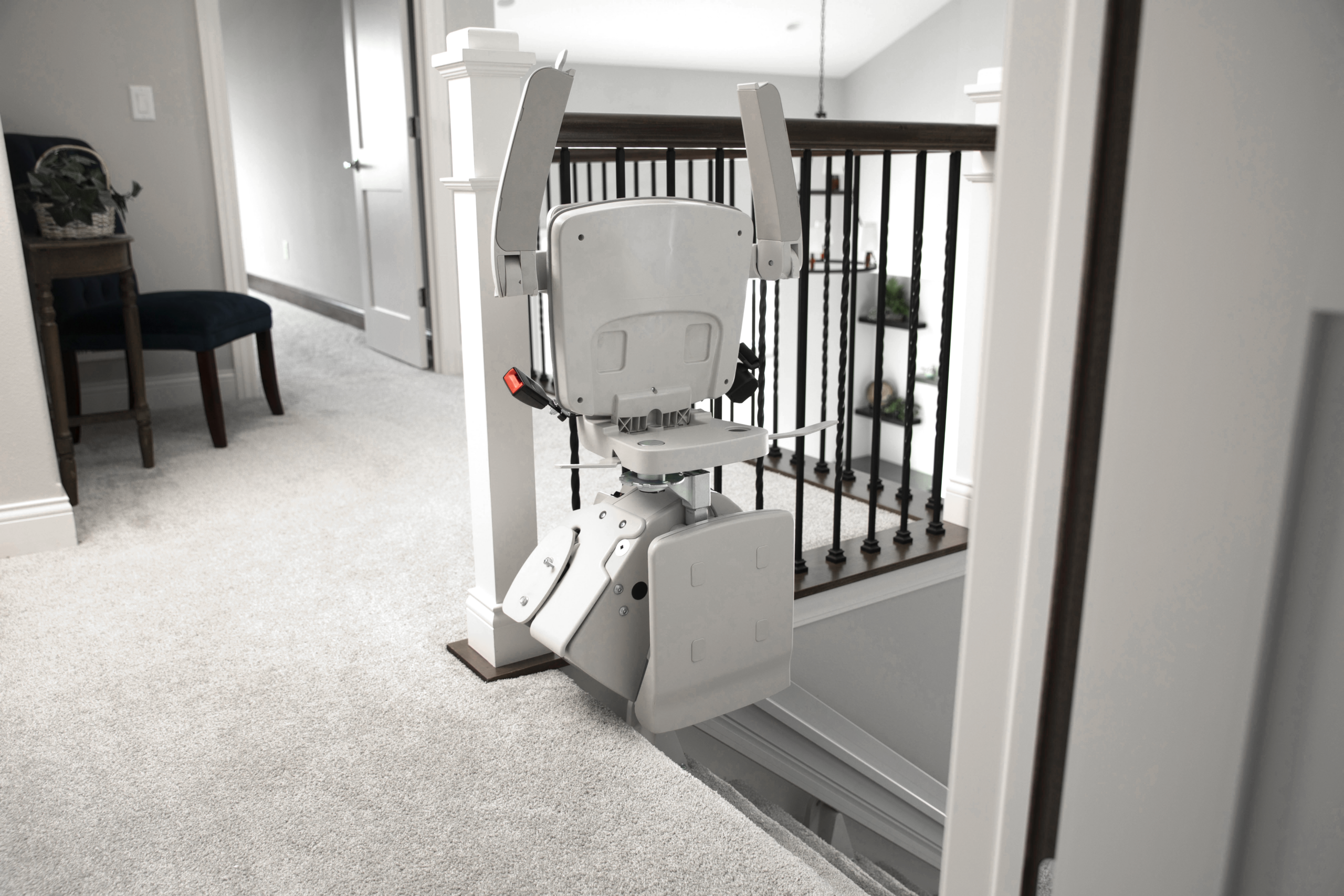
When climbing stairs becomes unsafe or physically exhausting, a stair lift may be an appropriate solution.
A stair lift allows an individual to travel between floors while seated, reducing the need to physically climb the stairs. It can be an important accessibility improvement for people who want to continue using multiple levels of their home.
3. Don’t Overlook Grab Bars Throughout the Home
Grab bars are not just for bathrooms!
Strategically placed support bars can provide additional stability in other areas where a person may need assistance.
Consider locations such as:
- Near frequently used doorways.
- Along hallways where additional support is needed.
- Near steps or changes in floor elevation.
- Beside a favorite chair to assist with standing.
- Near entrances and exits.
- In laundry areas or other locations where balance may be challenged.
The key is determining where support is actually needed and selecting the appropriate equipment for that location.
Proper placement and professional installation are essential.
4. Eliminate Common Tripping Hazards
Some of the simplest home improvements can make a meaningful difference.
Walk through the home and look for:
- Loose throw rugs and unsecured carpet runners.
- Electrical cords crossing walkways.
- Clutter around furniture and doorways.
- Uneven flooring and raised thresholds.
- Objects left on stairs.
- Furniture that makes walking paths unnecessarily narrow.
Remove unnecessary obstacles and keep frequently traveled pathways clear.
Consider replacing loose rugs rather than relying on them to stay in place.
5. Improve Lighting Throughout the Home
Poor lighting can make it difficult to identify obstacles, changes in floor elevation, and objects in walking paths.
Pay particular attention to:
- Hallways.
- Staircases.
- Bathroom entrances.
- Bedroom pathways.
- Kitchen work areas.
- Entryways and exterior steps.
Nightlights, motion-activated lighting, and conveniently located light switches can help make nighttime movement safer.
6. Make Everyday Activities Easier
Sometimes, the risk of falling comes from trying to accomplish ordinary tasks.
Avoid standing on chairs or reaching overhead for items stored on high shelves.
Keep commonly used items within easy reach. Consider using a reacher tool to retrieve objects from the floor or other difficult-to-access locations.
Choose supportive, properly fitting footwear with nonslip soles. Walking in socks or loose-fitting slippers can increase the risk of slipping.
If a cane or walker has been recommended by a healthcare professional, use it as directed.
Don’t Forget About Your Overall Health
Making the home safer is only one part of a comprehensive fall-prevention strategy.
Your overall health, strength, and mobility are equally important.
Here are some additional steps to consider:
Stay Active
Regular physical activity can help maintain muscle strength, flexibility, and balance. Ask a healthcare professional about appropriate exercises. Activities such as Tai Chi and supervised strength and balance training may be beneficial.
Schedule Regular Vision and Hearing Checks
Changes in vision and hearing can affect awareness of surroundings, depth perception, and balance. Keep appointments and update corrective devices when needed.
Some prescription and over-the-counter medications can cause dizziness, drowsiness, or changes in blood pressure. Ask your doctor or pharmacist to review your medications and identify potential fall-related side effects.
Be Mindful of Pets
Pets bring companionship and happiness, but they can also create unexpected tripping hazards. Be particularly cautious when walking around pets, especially in hallways and other confined spaces.
Consider a Personal Emergency Response System
A wearable medical alert device can provide an additional layer of reassurance, particularly for someone who lives alone. These devices may allow the wearer to call for assistance after a fall or other emergency.
Remember that an emergency response device does not prevent a fall, but it may help someone access assistance when needed.
A Room-by-Room Approach to Fall Prevention
One of the best ways to evaluate home safety is to look at the entire house rather than focusing on a single problem area.
Ask yourself:
- Can Mom or Dad safely get in and out of the shower?
- Is there adequate support when getting on and off the toilet?
- Can they navigate the stairs without excessive effort or fear?
- Are hallways and walking paths free of obstacles?
- Can they safely get out of bed during the night?
- Are frequently used items within comfortable reach?
- Can they enter and exit the home safely?
- Are there places where additional support would make everyday activities easier?
These questions can help identify opportunities for improvement before a fall occurs.
An accessibility professional can also help evaluate the home, identify potential hazards, and recommend practical modifications based on the individual’s needs, abilities, and living environment.
Aging in Place: Plan Ahead Rather Than React Later
Many families wait until a fall or serious mobility issue occurs before considering accessibility improvements.
Unfortunately, making decisions during a crisis can be stressful, expensive, and overwhelming.
Planning ahead allows families to evaluate their options, prioritize improvements, and make thoughtful decisions without the pressure of an immediate emergency.
It also gives older adults an opportunity to participate in decisions about their own homes and future.
Aging in place should not mean giving up the comfort of home or compromising personal independence.
It should mean making the home work better as needs change.
One Fall Can Change It All. Prevention Can Help Change the Outcome.
A fall can happen in seconds. Its consequences can last for months or even years.
But taking proactive steps today can help reduce hazards, improve accessibility, and make everyday activities easier and safer.
Whether that means installing grab bars, improving bathroom accessibility, adding stairway support, considering a stair lift, or making other modifications, every improvement should serve a purpose: helping people live more safely and independently in their homes.
At 101 Mobility of Greater Philadelphia, we’re passionate about helping individuals and families create accessible living environments that support independence at every stage of life.
You don’t have to wait for a fall to start making your home safer.
Let’s make your home a place where independence can continue.
Contact 101 Mobility of Greater Philadelphia today to discuss your home accessibility needs and explore solutions that can help you or someone you love age in place with